How We Approach Private-Label Dry-Mix Packaging Projects
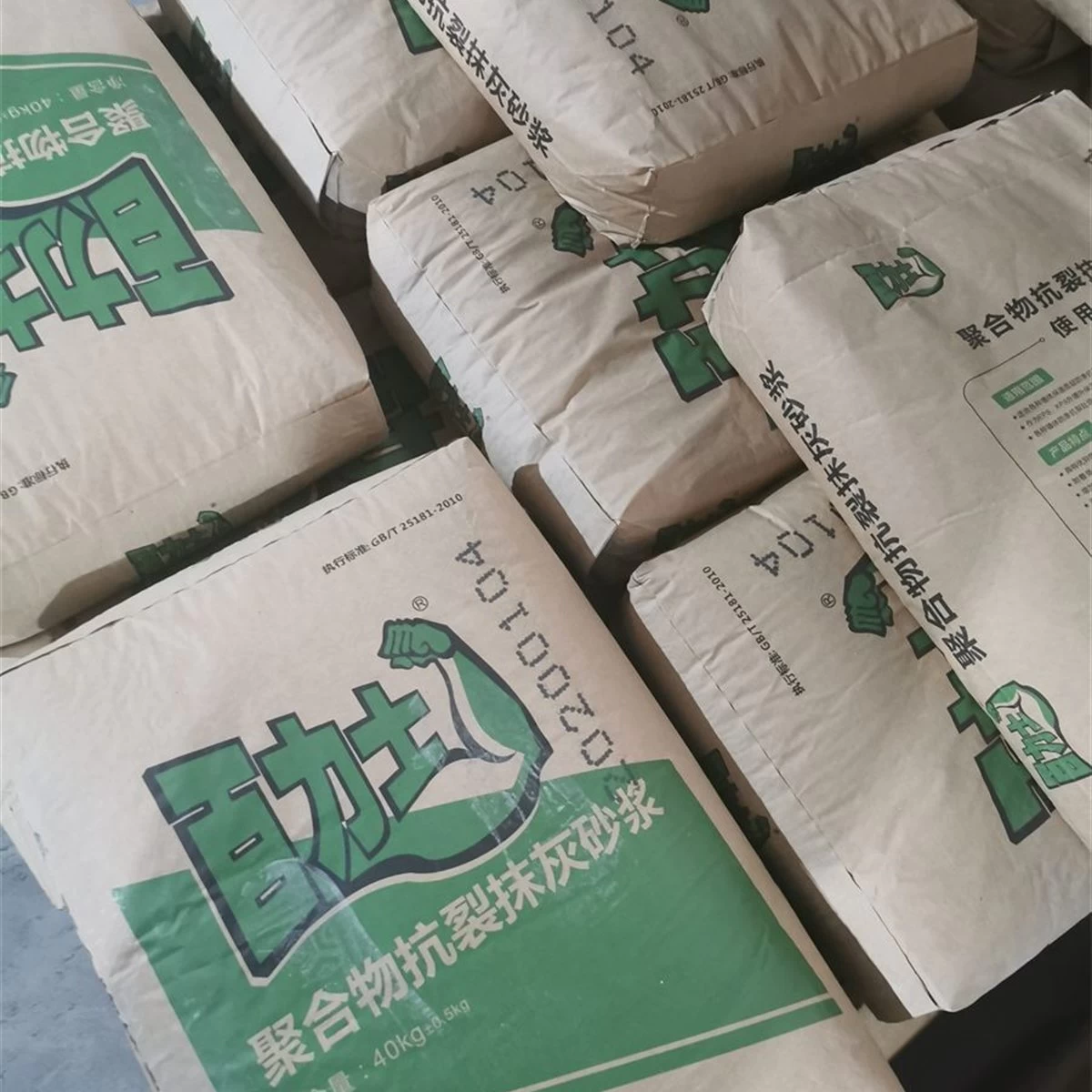
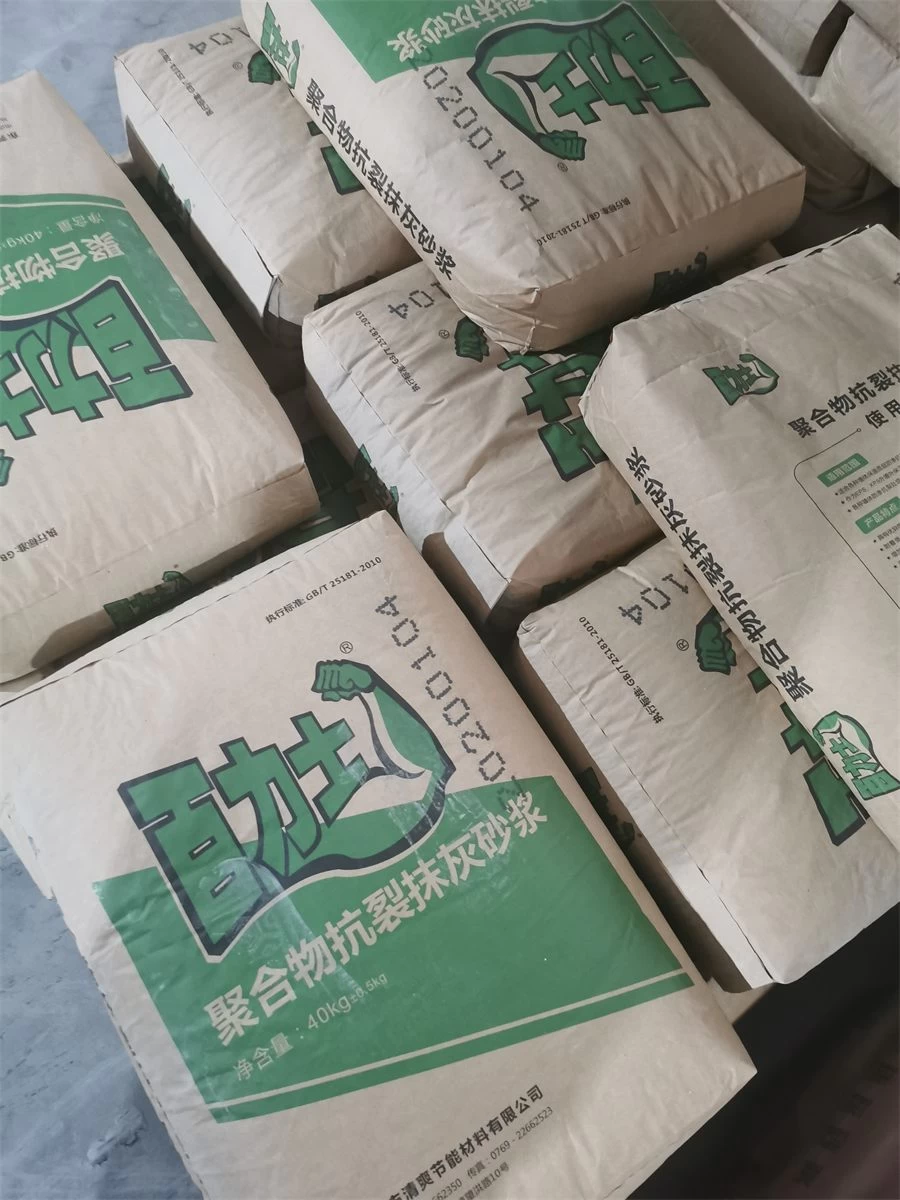
Direct answer: A private-label packaging project requires controlled inputs from both buyer and manufacturer. Brand files, product identity, required warnings, origin marking, languages, bag structure, and printing tolerances should be resolved before mass printing.
What private label dry-mix packaging should accomplish
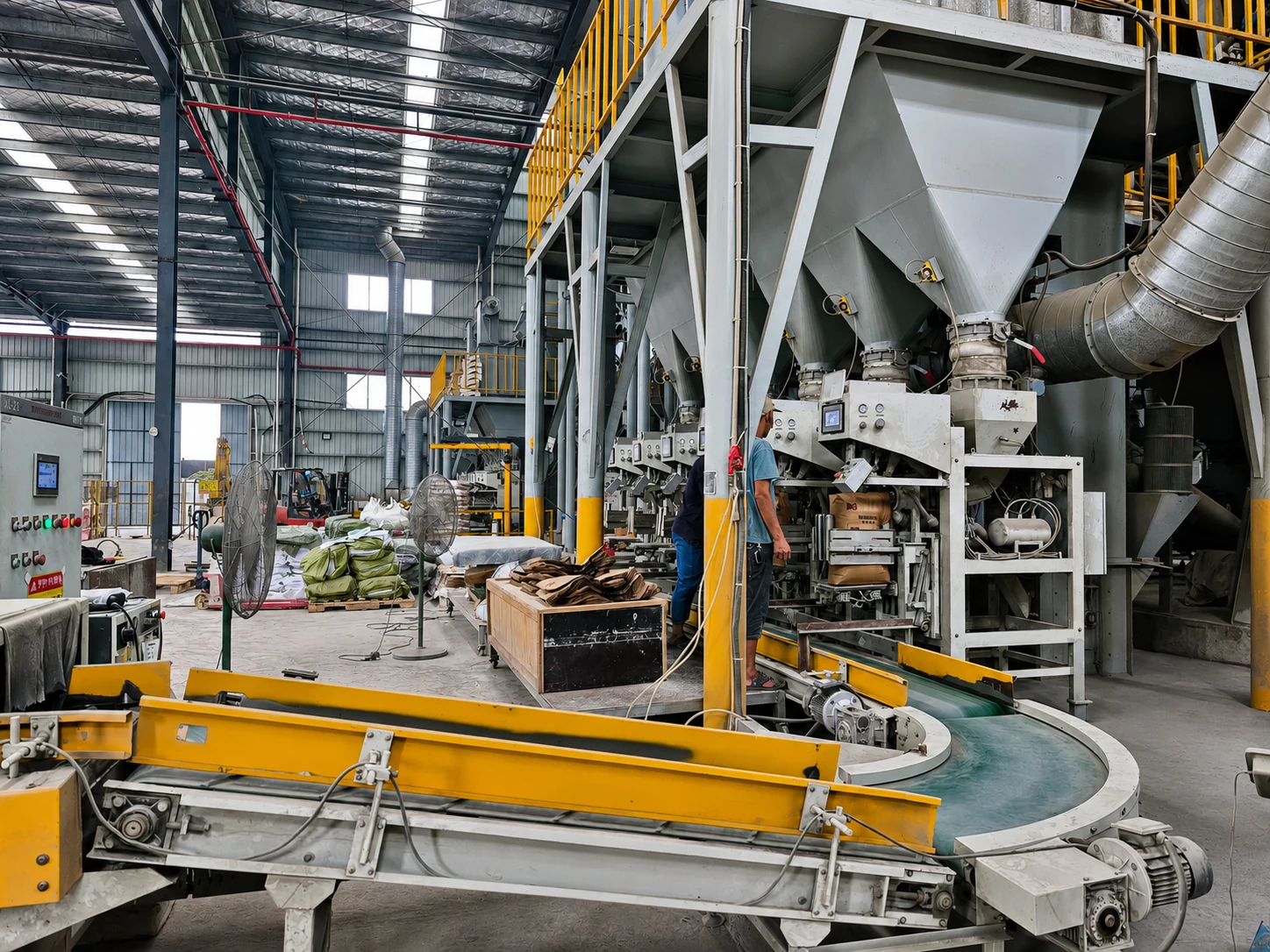
A private-label packaging project requires controlled inputs from both buyer and manufacturer. Brand files, product identity, required warnings, origin marking, languages, bag structure, and printing tolerances should be resolved before mass printing. The objective is a controlled path from buyer requirements to evidence that can support an order decision. Visible equipment or a polished document matters only when it connects to the agreed product and transaction.
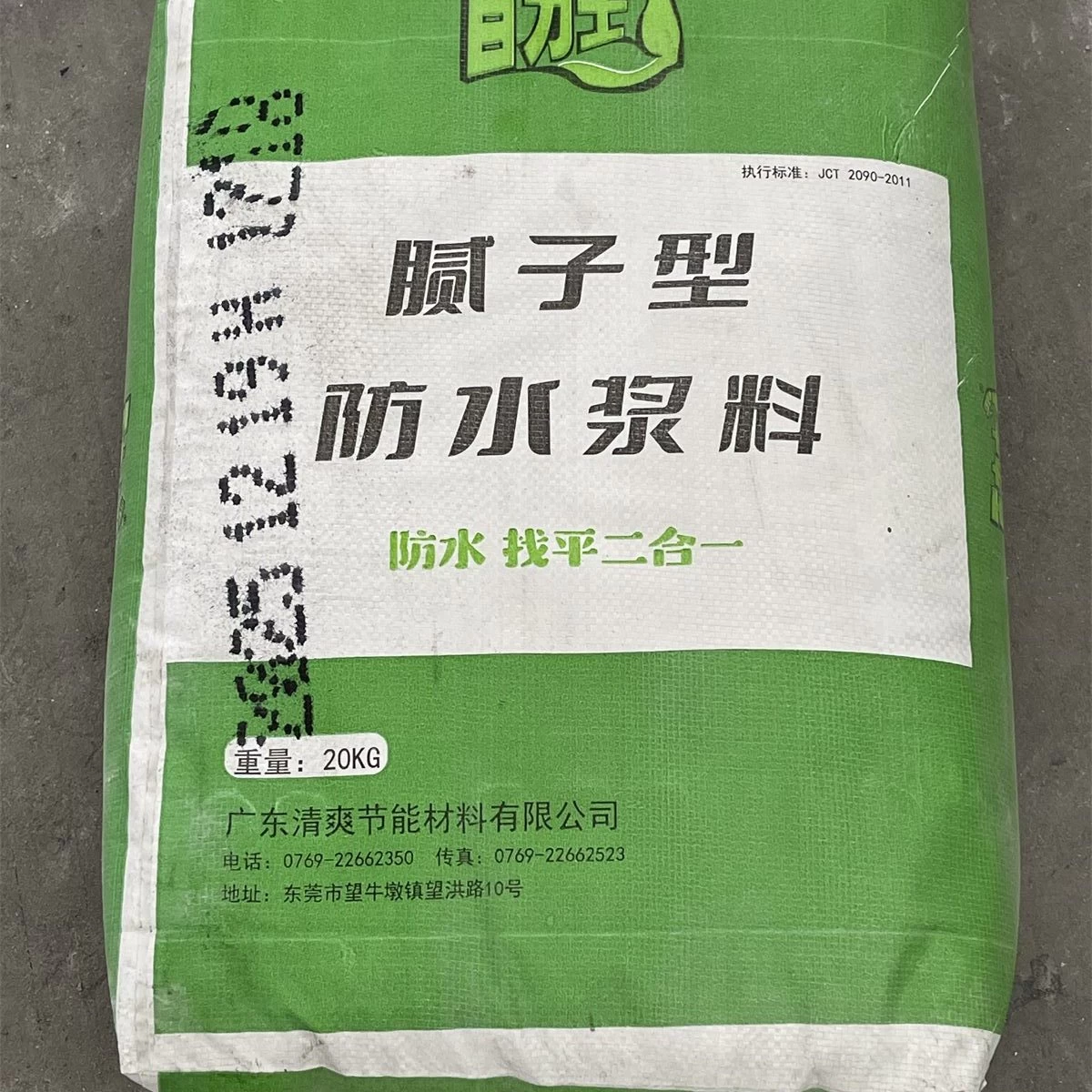
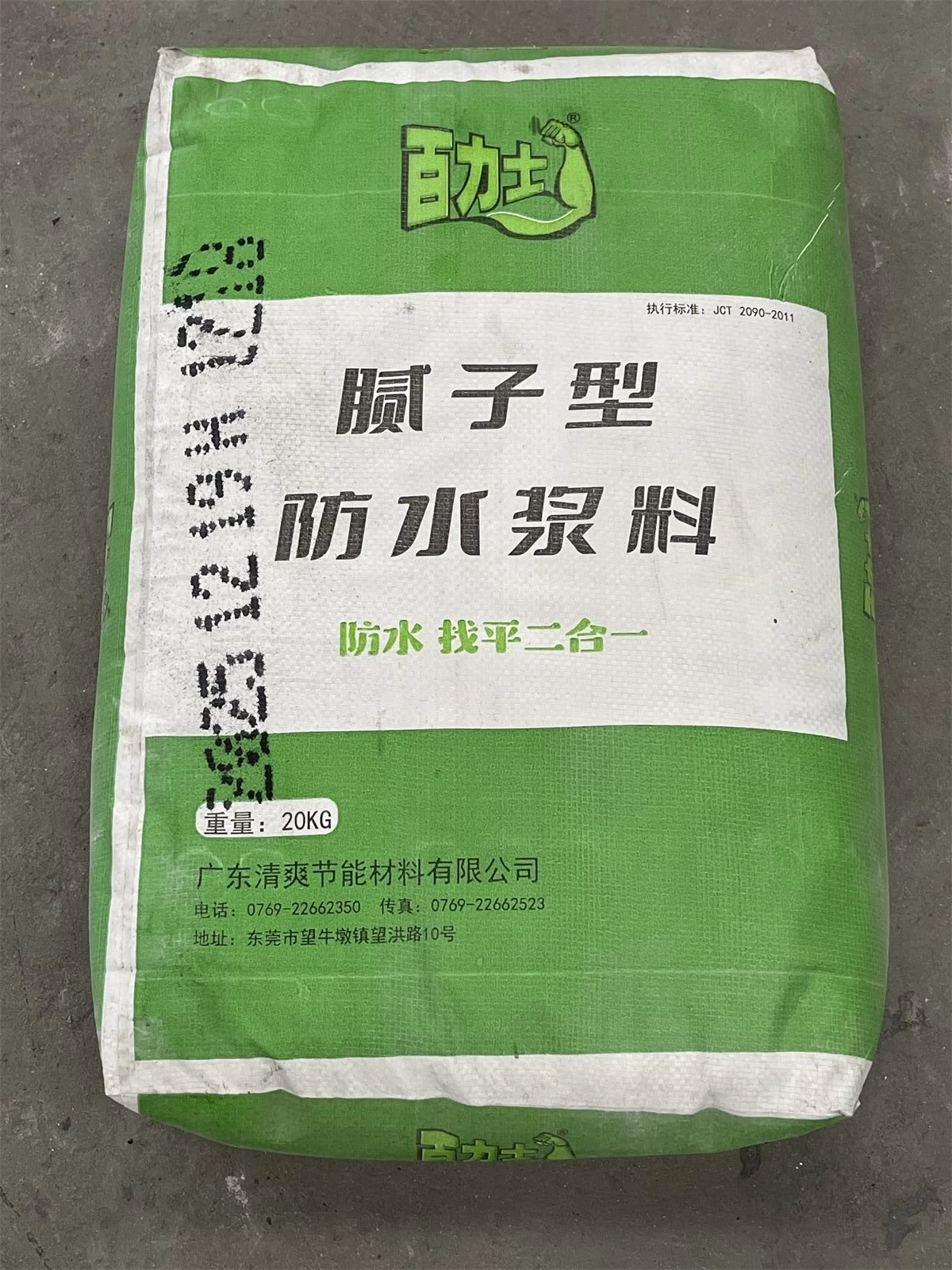
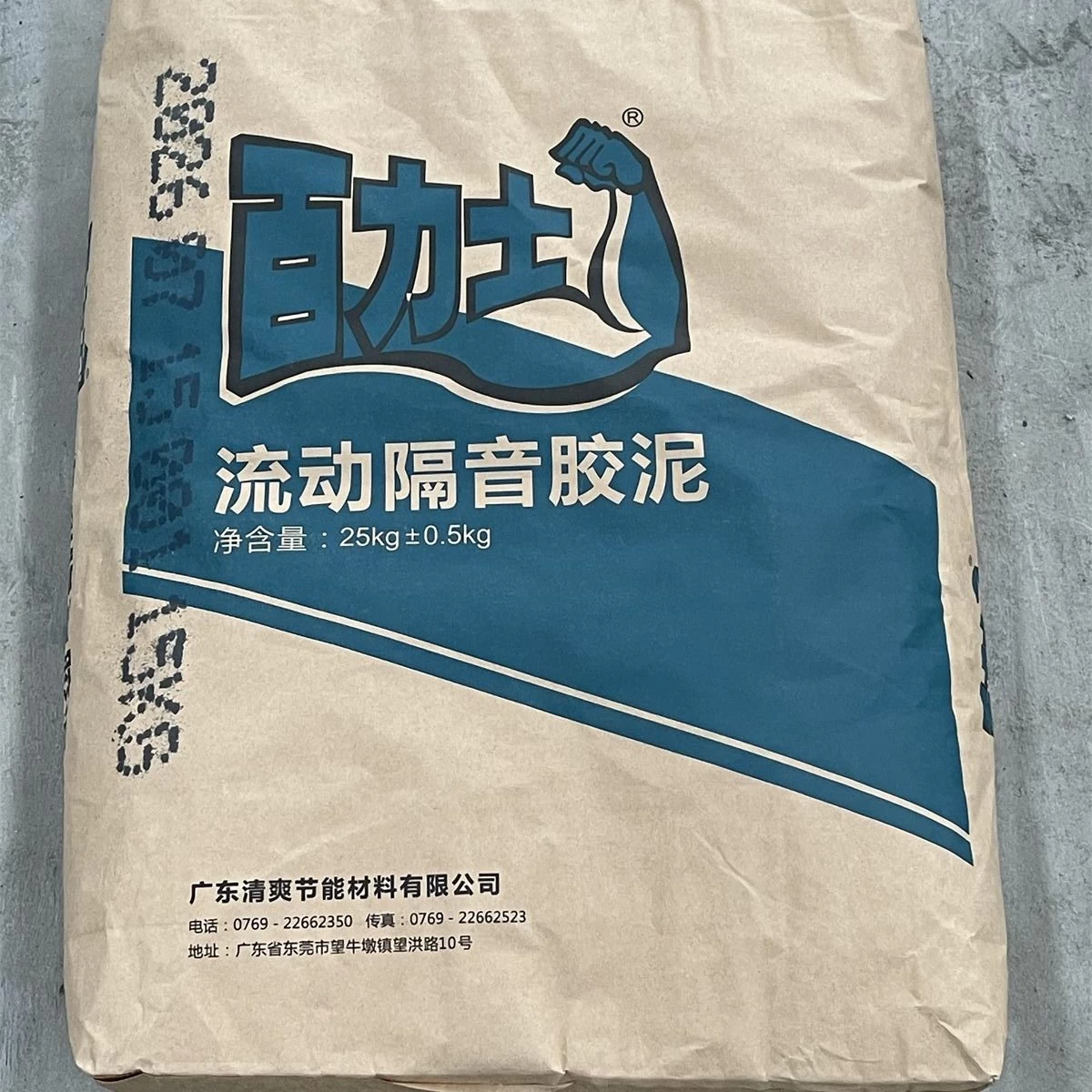
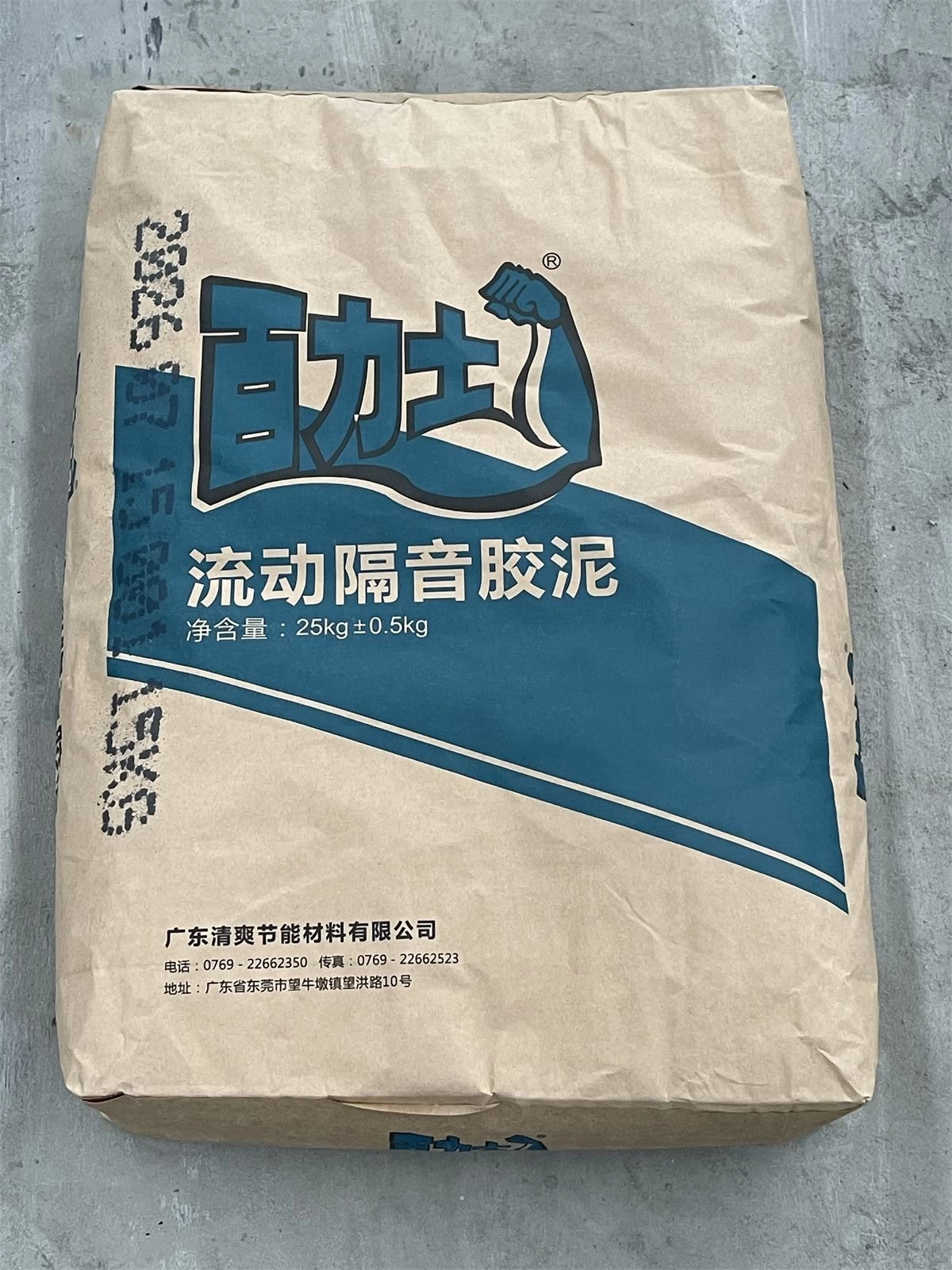
Guangdong Qingshuang Energy-Saving Materials Co., Ltd. supplies dry-mix construction materials including mortars for wall, floor, insulation, waterproofing, acoustic, repair, and decorative applications. Exact technical values and project suitability should be confirmed against the selected formulation rather than generalized across the range.
Buyer review points
For this topic, focus on brand ownership, dielines, copy approval, color references, legal review, and print sample acceptance. Ask for records that are proportionate to the risk, intended application, and size of the commercial program.
| Review area | Useful evidence | Buyer decision |
|---|---|---|
| Product | Approved specification, sample reference, relevant test method | Does the defined product match the intended application? |
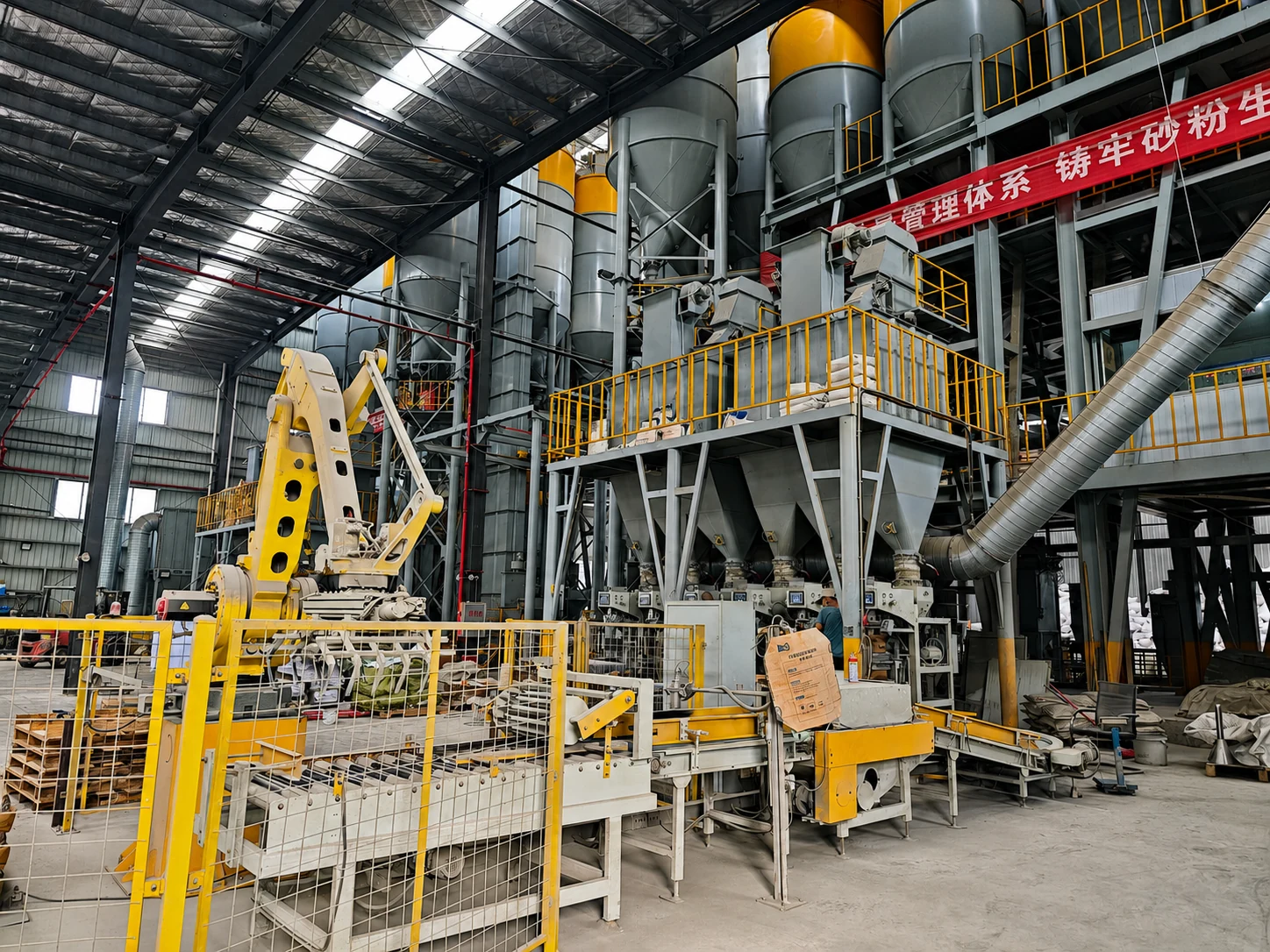
| Process | Process flow, controlled instructions, relevant records | Can the supplier follow the approved requirements? |
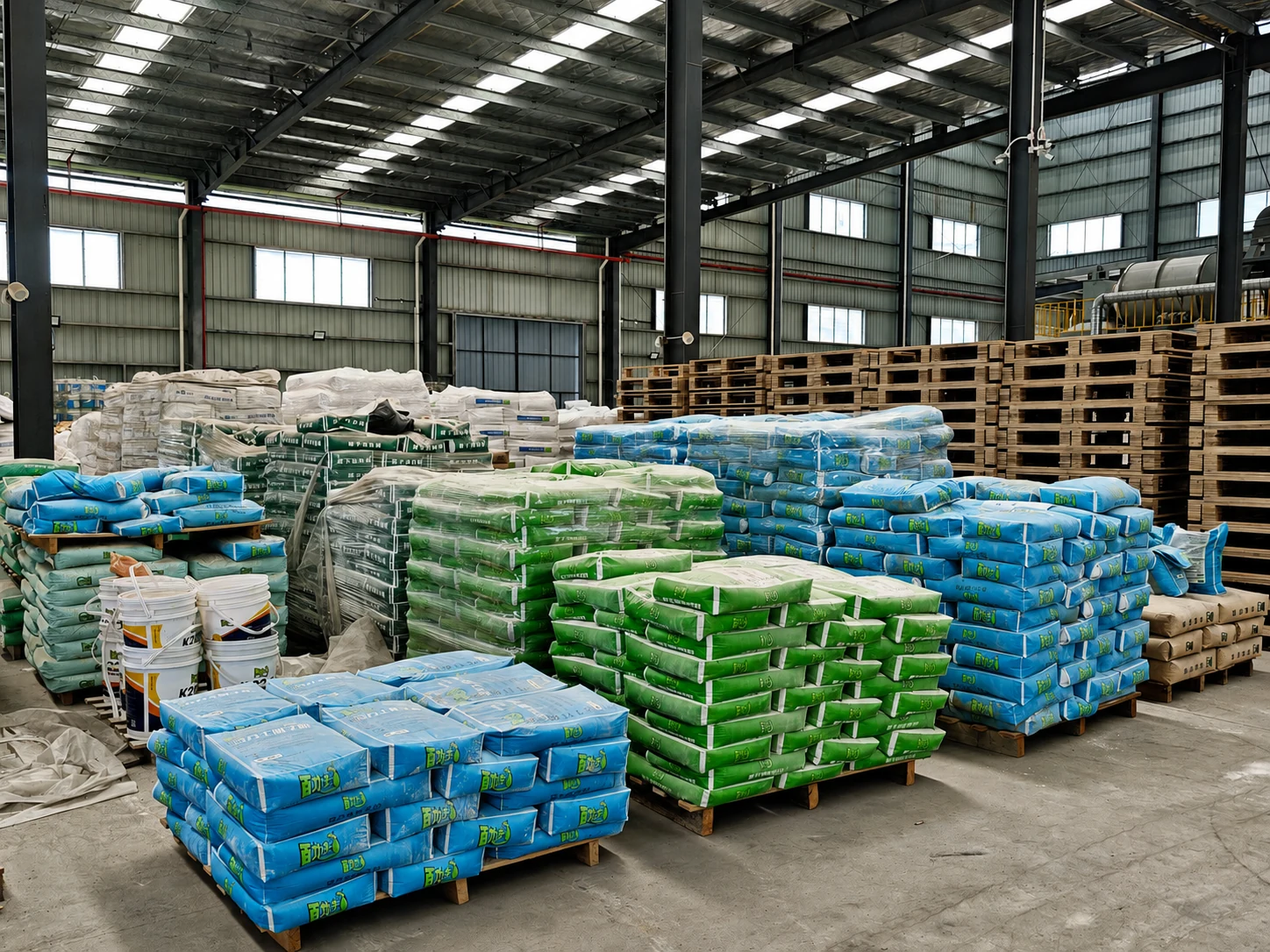
| Packaging | Dieline, artwork revision, packed dimensions | Will the pack protect and identify the product? |
| Shipment | Final quantity, pallet plan, marks, documents | Are import and receiving needs addressed? |
A practical workflow
- Collect editable artwork and a written packaging brief.
- Prepare and review the dieline with mandatory copy areas.
- Approve a proof or physical sample before the production run.
- Document approval, open points, and change authority before bulk execution.
Where a value, certification, or compliance conclusion depends on the final formulation, application, or destination, confirm it with the supplier and the buyer’s qualified adviser. Do not turn a development target into a front-label claim before it has been substantiated.
Comparing supplier evidence
Compare suppliers on the same written brief. A meaningful comparison uses the same application, substrate, test method, packaging configuration, quantity basis, and delivery scope; otherwise a lower quote or stronger-sounding claim may simply reflect different assumptions.
Separate four evidence types: company management-system documents, product specifications, product-specific test evidence, and transaction records. None automatically replaces another, and the required set depends on the product and buyer risk.
Common sourcing mistakes
- Sending only a low-resolution logo.
- Leaving responsible-party and origin information unclear.
- Approving colors only from an uncalibrated screen.
- Failing to record the final approved revision and decision owner.
These mistakes are avoidable when technical, packaging, and logistics questions are resolved in a single requirement matrix. Keep unknown values out of public claims and request confirmation based on the final specification.
Questions buyers ask
What should a U.S. buyer send first?
Send the product type, material or formulation requirements, dimensions or application thickness where relevant, application environment, estimated quantity, packaging needs, destination, and requested timing. For private label dry-mix packaging, include any mandatory standard and test method.
Can the supplier confirm MOQ and lead time immediately?
Not responsibly without the final product, packaging, quantity, artwork, and delivery requirements. Ask the supplier to confirm both after the specification is defined.
Does a factory certificate certify the product?
No. A management-system certificate relates to the stated organization and scope. Product conformity requires product-specific evidence appropriate to the claim and destination.
Should buyers approve a sample?
A sample or reference panel can align expectations, but the approval record should state what was evaluated and how it relates to bulk production.
What documents should be requested?
Request only documents relevant to the product and transaction, such as the current specification, safety information where applicable, agreed inspection records, packing list, invoice, and origin information.
How should changes be controlled?
Use dated revision numbers for the specification, artwork, and purchase order. Define who may approve a deviation before production or shipment.
Next step for your sourcing team
How We Approach Private-Label Dry-Mix Packaging Projects is easier to evaluate when both parties work from the same controlled information. Before requesting a recommendation or quotation, prepare the product type, material or performance priorities, dimensions or layer requirements, application environment, customization scope, estimated purchase quantity, packaging requirements, destination country, and expected delivery window.
Submit those details through our inquiry page. We will review the request against the available product range and confirm what must be defined, sampled, or documented for the final specification.