Direct answer: dry-mix mortar is not inert. The cement fraction reacts with atmospheric moisture, and the polymer and cellulose ether additives lose effectiveness over time and faster under warm, humid conditions. That is why shelf life in our own data ranges from around three months on some decorative products to twelve months on the cement-based construction products — and why the storage conditions after delivery matter as much as the date on the bag.
This page is about the failure mode that never appears in a test report: material that left the factory to specification and arrived at the wall degraded, because of what happened in between.
Shelf life across product families
The variation is large, and it is not arbitrary. It tracks the formulation — how much cement, how much polymer, and how the product is packaged.
| Product family | Stated shelf life | Example from our data |
|---|---|---|
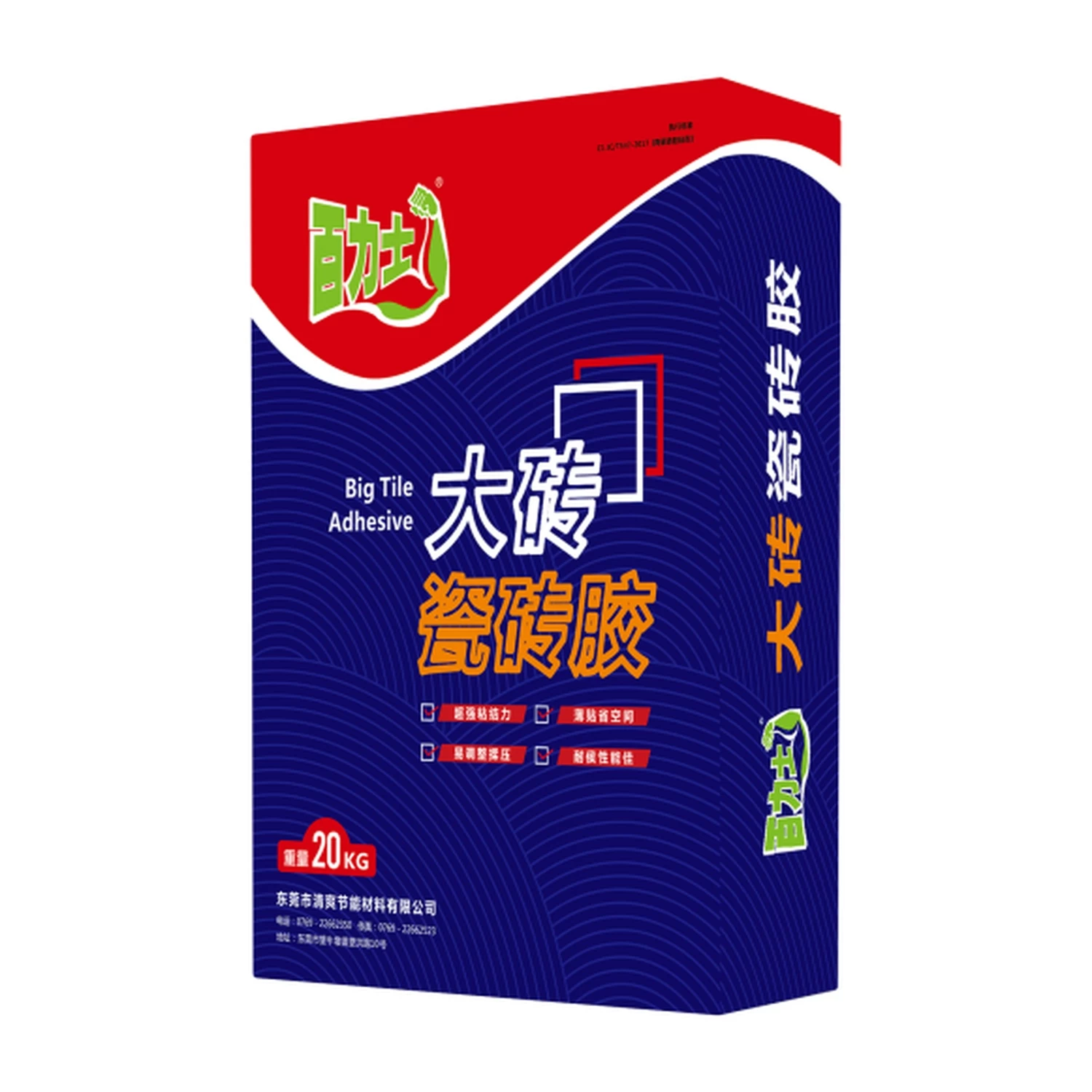
| Cement-based construction mortars | 12 months | Self-levelling compound, large-format tile adhesive, K11 waterproofing coating |
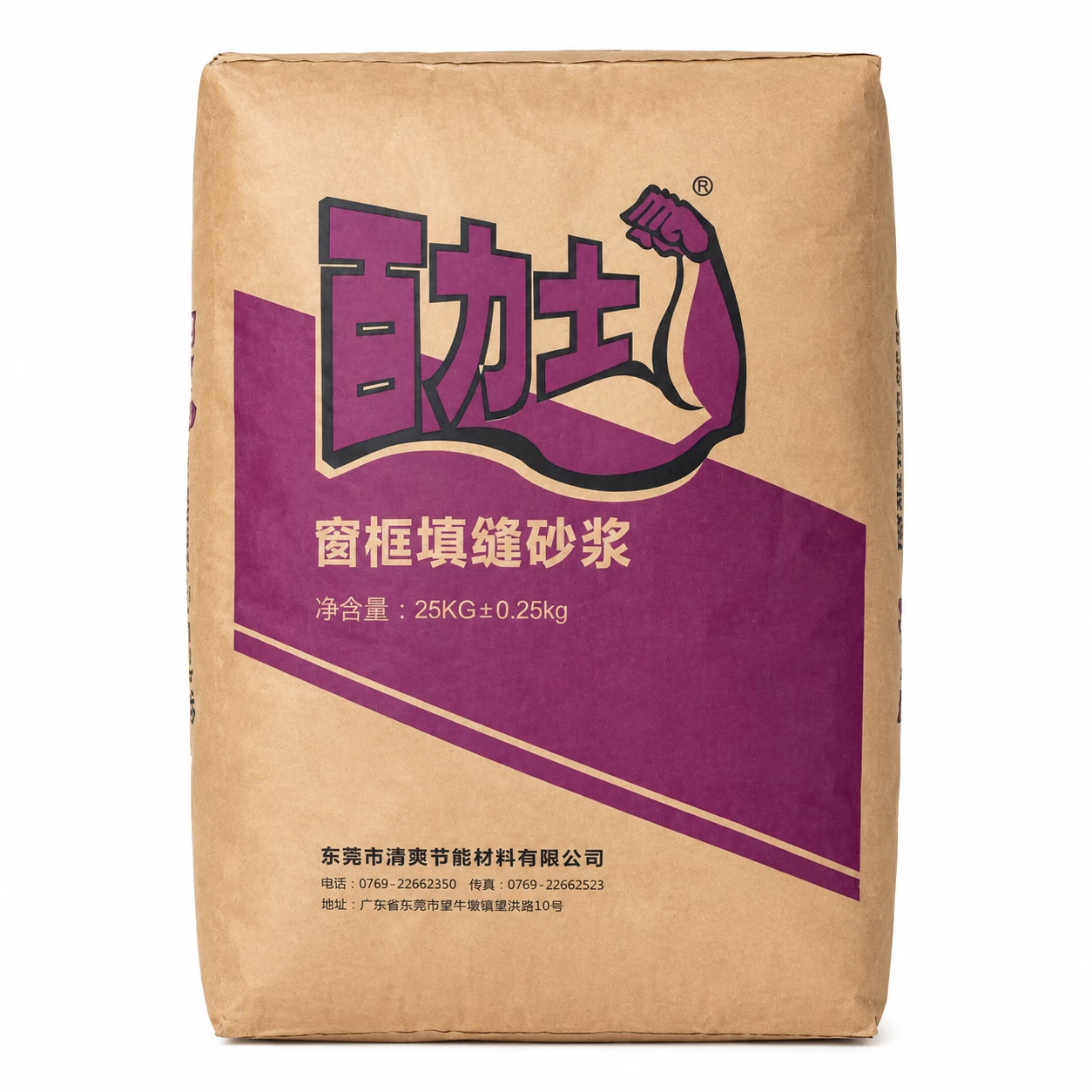
| Window frame grouting mortar | 4 months | Stated as four months from date of manufacture |
| Decorative micro-cement and dry powder coatings | About 3 months | Studio Sand micro-cement, Wall5 and Wall6 coatings |
The shorter figures sit on the decorative range, where the additive package does more of the work and where the finished appearance — not just the strength — depends on those additives still functioning. A decorative coating that is a year old may still set, but it will not flow, level or finish the way the sample did.
Two practical consequences for an importer:
- Order decorative products against a shorter horizon. A three-month shelf life does not suit a container that will sit in a distributor's warehouse for a season.
- Ask for the manufacturing date, not just the shelf life. Twelve months from manufacture is very different from twelve months from arrival. If the material spent two months in transit and one on a dock, you have nine left.
What actually degrades in a stored bag
Four things happen, and they have different symptoms:
- The cement pre-hydrates. Atmospheric moisture reacts with the cement fraction. The material loses reactivity, so it sets more slowly, or fails to develop the strength the formulation was designed for.
- The polymer film loses coherence. Redispersible polymer powders can coalesce or block in the bag under warm, humid conditions, and a blocked powder does not redisperse properly when mixed. The visible sign is often a mix that feels slightly gritty or does not develop the expected tack.
- The cellulose ether drifts. Water retention and workability depend on the ether, and degraded ether shows up as a mix that bleeds water, sags, or stiffens faster than it should.
- Physical compaction and lumping. Bags stacked under weight in a humid store compact and form hard lumps that mixing does not disperse.
Notice that only the fourth is visible. The first three are the reason a bag can look perfect and still underperform, which is why the storage record matters as much as the material.
Reading a pallet on arrival
This is the inspection to run before signing for a delivery. It takes minutes and it is the only point at which responsibility is unambiguous.
| Check | What you are looking for | Why it matters |
|---|---|---|
| Bag integrity | Tears, splits at the valve, failed seams | Any breach admits moisture; a torn bag is a moisture path, not just a spill |
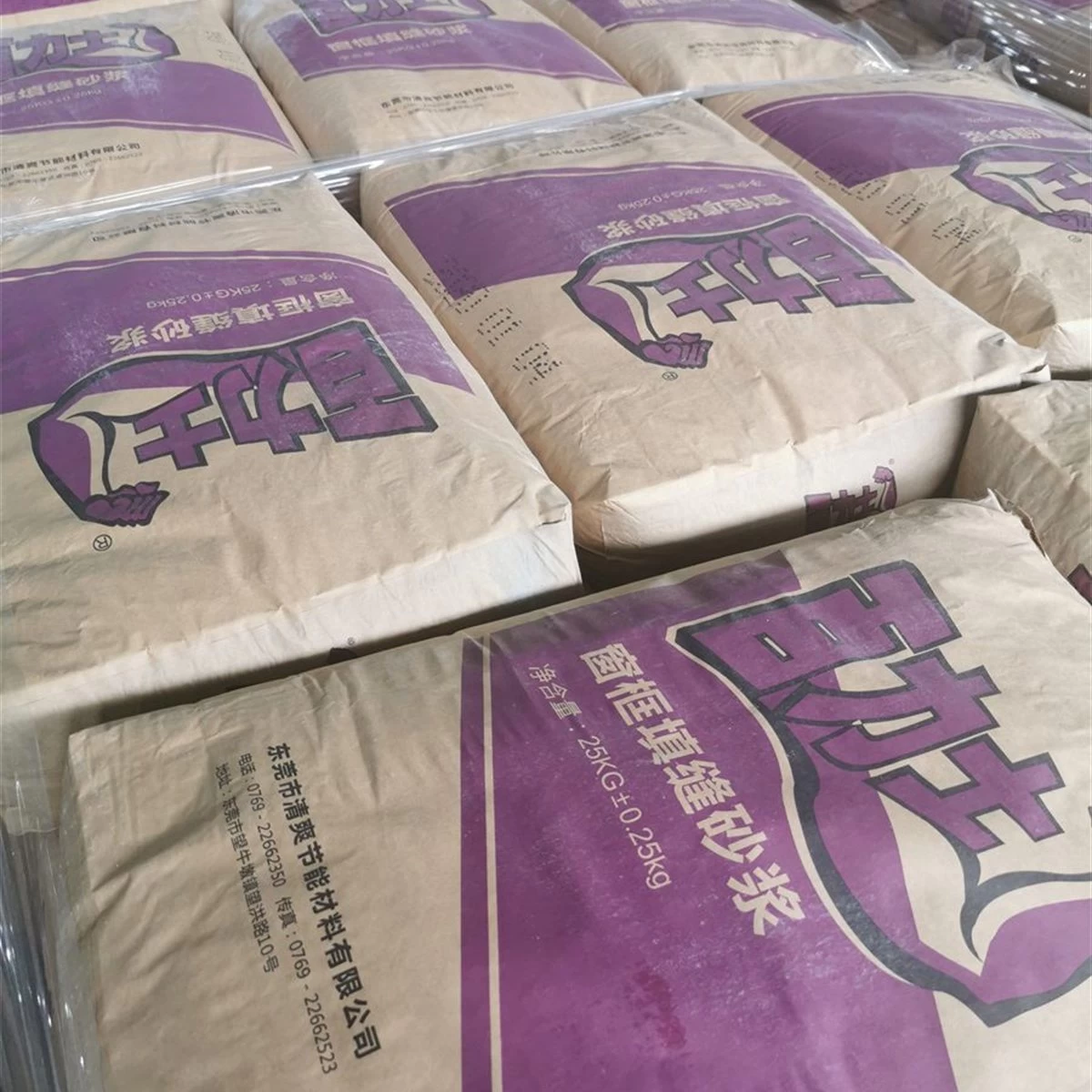
| Pallet base | Damp or stained timber, powder caked underneath | Evidence of water ingress from the bottom, the most common route |
| Bag surface | Water staining, tide marks, discolouration at the edges | Marks where moisture has wicked through the paper layer |
| Bag firmness | Squeeze a bag from the middle of the pallet | Hard lumps that do not move under pressure indicate compaction or pre-hydration |
| Date marking | Manufacturing date legible on each bag | Shelf life runs from manufacture, not from delivery |
| Pallet wrap | Intact and tight, not slack or opened | Slack wrap means the load has been rehandled, usually in the rain |
Do the squeeze test on a bag from the middle of the stack, not the top. The top bag dries out; the middle bag is where moisture stays.
The four storage conditions that decide the outcome
1. Moisture — the primary cause
Bagged dry-mix mortar should be stored off the floor on pallets or racking, under cover, and away from any surface that wets. Not on a concrete floor in a humid climate, not against an external wall, and not under a roof that drips.
Humidity is the harder variable to manage than direct rain, because it does not announce itself. A pallet in a closed, unventilated warehouse in a humid season is taking on moisture continuously, and the top layer of bags is the most exposed.
2. Temperature and cycling
Heat accelerates everything that degrades a stored bag — the pre-hydration reaction and the polymer blocking both move faster warm. Cold is less damaging to the dry material itself than to the working behaviour, but freeze-thaw cycling in a store that is not weather-tight drives condensation into the bags.
Temperature also matters at the moment of use: our K12 JS polymer-cement waterproof coating is documented for application between 5 °C and 35 °C, and outside that range the product will not behave as its data describes. That is an application limit, not a storage limit, but both belong in the same project plan.
3. Stack height and time
Bags stacked too high compact under their own weight, and compaction shows up as lumps that will not disperse. Combined with humidity, the bottom of a tall stack is the worst position in the store on both counts.
The other variable is time. First in, first out is the only discipline that works: the oldest material gets used first, not the nearest.
4. Ventilation
A store that is sealed against rain and sealed against air is not the same thing. Ventilation keeps the internal humidity from building, and it is the cheapest of the four controls to implement.
Can a lumpy bag be saved?
Largely, no — and the distinction matters.
Soft lumps that break down under light pressure while mixing are usually compaction, and a properly mixed batch will disperse them. Hard lumps that survive mixing are pre-hydrated material: the cement in those lumps has already reacted and can no longer contribute to strength or bond.
The problem is that lumps do not distribute evenly. A mix containing hard lumps delivers uneven performance across the batch, and the tiles fixed with the lump-rich portion are the ones that fail — sometimes years later. Because the failure is invisible at the time, the conservative rule is to reject the batch rather than sieve it.
For an importer holding stock, the commercial implication is straightforward: material that has degraded in storage is not recoverable, so storage conditions are a stock-value question, not a housekeeping one.
What to write into a supply arrangement
- Manufacturing date marked on each bag, legible at delivery, with the shelf life stated in the product documentation.
- A minimum remaining shelf life at delivery, expressed as a condition of the order rather than an aspiration.
- Pallet protection for ocean transit, including stretch wrap and moisture protection appropriate to the route.
- An arrival inspection clause, so that a pallet showing water ingress can be recorded and claimed rather than absorbed.
The export packaging side is covered in preparing dry-mix mortar orders for export packaging, and the condition of finished goods before shipment in how finished dry-mix products are stored before shipment.
Frequently asked questions
Does dry-mix mortar expire?
Yes. The cement fraction reacts with atmospheric moisture and the additives lose effectiveness over time. Our stated shelf lives range from around three months on some decorative products to twelve months on the cement-based construction mortars, measured from the date of manufacture.
Can I still use mortar that has been stored for two years?
Not on work that has to perform. Material that far outside its stated shelf life will often still set, which makes it deceptive — the appearance of setting is not evidence that the strength, water retention or bond development is within specification.
What do lumps in the bag mean?
Soft lumps that break down while mixing are usually compaction from stacking. Hard lumps that survive mixing are pre-hydrated cement, which can no longer contribute to strength. Because lumps do not distribute evenly through a batch, the safest response is to reject the batch.
Is it safe to store bags on a concrete floor?
Not for any length of time. Concrete wicks and holds moisture, and it is one of the most common routes for water to reach the bottom of a stack. Store on pallets or racking, off the floor, under cover.
Does cold weather damage stored mortar?
The dry material tolerates cold better than humidity, but a store that is not weather-tight will condense moisture into the bags as temperatures cycle. Cold also matters at the point of use, where products carry stated application temperature ranges.
Where to take this next
Before ordering, ask two questions: what is the shelf life of this specific product, and what is the manufacturing date of the batch you will ship. Then check the pallet on arrival before signing. Those three steps cover the majority of storage-related risk on a dry-mix programme.
Product-specific shelf lives are stated in each product's documentation — the tile adhesive and self-levelling selection guide is a useful starting point for the construction range. For batch dates and current documentation, use the contact page.
More practical questions are collected in the Frequently Asked Questions section.